
Understanding Natural Botanical Extracts
An educational resource exploring plant-based nutrients, traditional knowledge, and nutritional foundations for men in maturity
Educational content only. No medical services. No promises of outcomes.
The concept of mature wellness encompasses a broad understanding of how biological processes evolve over time. As men enter their fourth and fifth decades, various physiological adaptations occur naturally. These changes are part of the human lifecycle and have been observed across cultures and generations.
This educational resource focuses on understanding the role of nutrition, botanical compounds, and lifestyle factors that have been studied in relation to general well-being. The information presented here is purely educational and does not constitute advice or recommendations.
Our approach is to explain concepts, describe historical uses of various plants, and present scientific findings in an accessible manner. We believe that knowledge empowers individuals to engage in informed conversations with appropriate professionals about their personal choices.

Adaptogens represent a category of botanical substances that have been studied for their potential interaction with biological stress response systems. Plants like Panax ginseng, Rhodiola rosea, and Withania somnifera have centuries of documented use in traditional systems.
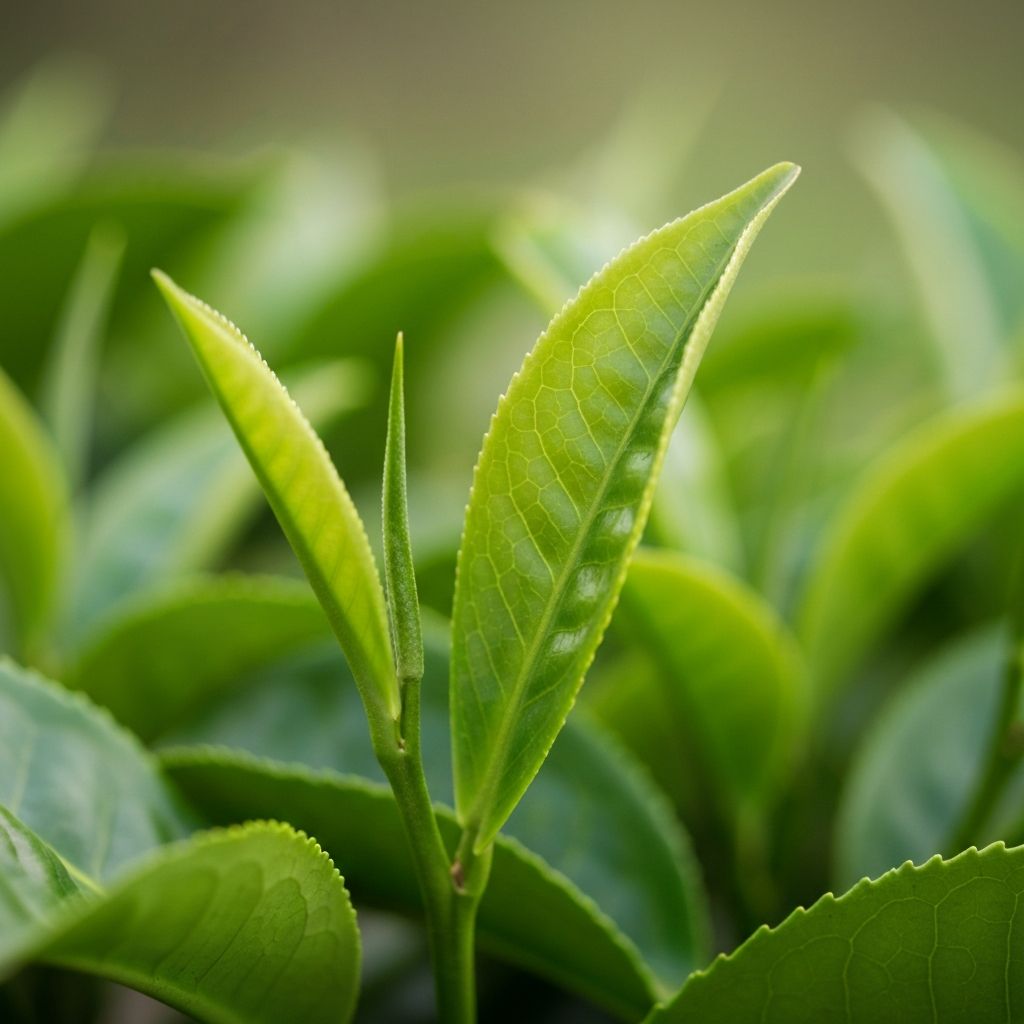
Polyphenols are naturally occurring compounds found in many plant species. Green tea, pomegranate, and grape seeds contain various polyphenolic structures. Scientific literature has explored their chemical properties and bioactive characteristics.
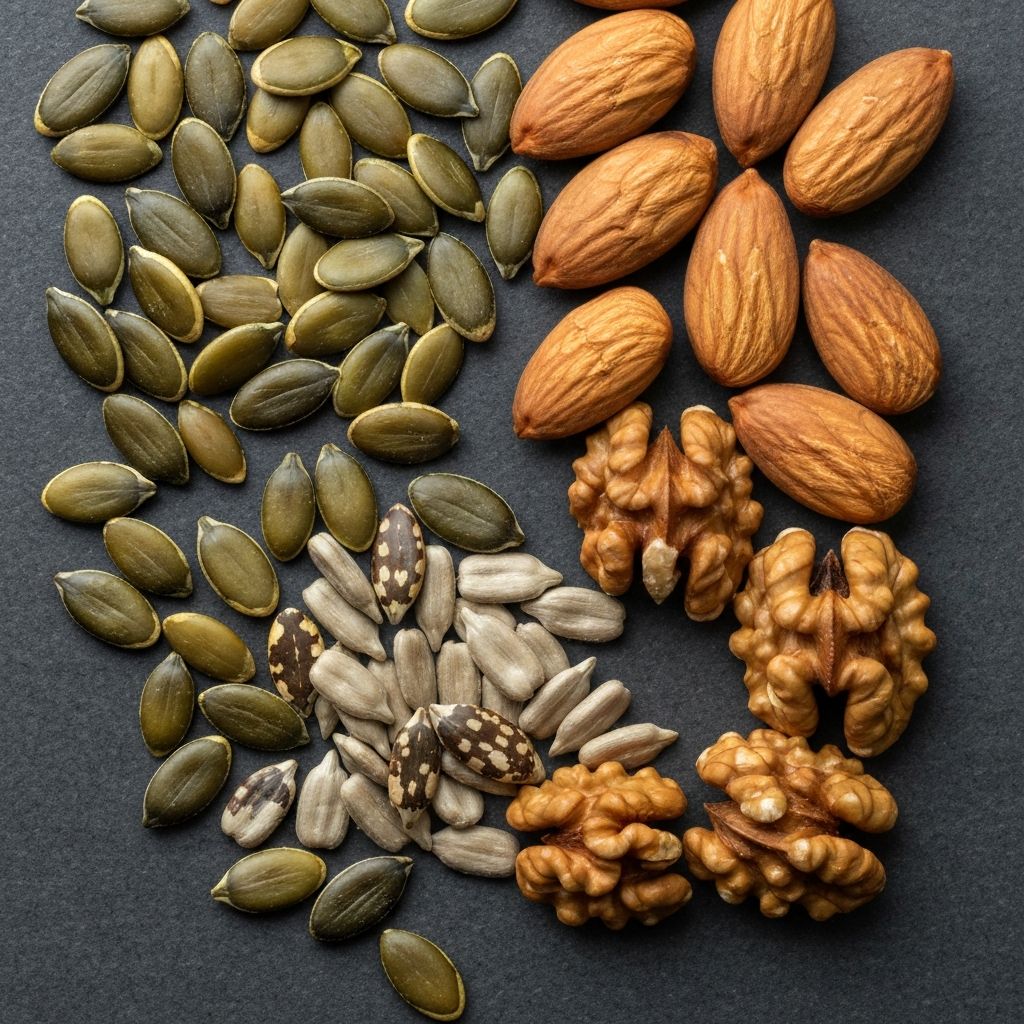
Pumpkin seeds, sunflower seeds, and various nuts provide concentrated sources of minerals including zinc, magnesium, and selenium. These micronutrients play roles in numerous biochemical processes throughout the body.
Botanical extraction involves isolating specific compounds from plant materials through various methods including water extraction, alcohol extraction, and supercritical fluid extraction. Each method yields different compound profiles.
Research institutions worldwide study the chemical composition of plant extracts. Compounds such as flavonoids, alkaloids, terpenoids, and saponins have distinct molecular structures that researchers continue to investigate.
Understanding extraction ratios, standardization methods, and quality parameters helps contextualize the diversity of botanical preparations available for study. This knowledge base spans ethnobotany, phytochemistry, and nutritional science.
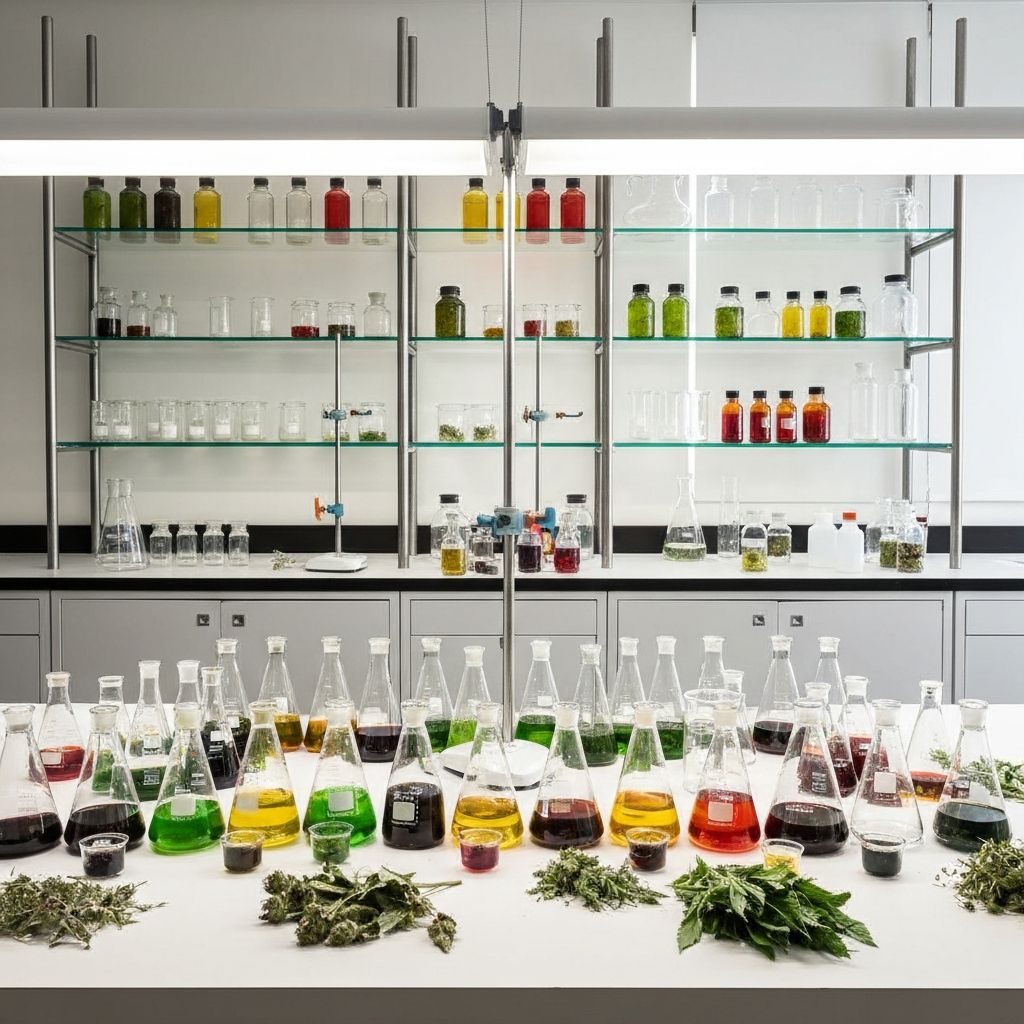
Nutritional science recognizes that dietary patterns influence various aspects of daily functioning. Macronutrients including proteins, carbohydrates, and fats serve as building blocks and energy sources for cellular processes.
Micronutrients such as B vitamins, vitamin D, zinc, and magnesium participate in enzymatic reactions. Population studies have examined dietary patterns across different age groups and geographic regions.
The concept of nutrient density refers to the ratio of beneficial compounds to caloric content. Whole foods including vegetables, legumes, whole grains, and lean proteins generally provide higher nutrient density compared to processed alternatives.

Throughout human history, various cultures developed sophisticated systems of botanical knowledge. Traditional Chinese Medicine, Ayurveda from India, and European herbalism each documented the use of specific plants for supporting general well-being.
Modern scientific methodology applies different frameworks to understanding these traditional practices. Researchers isolate individual compounds, conduct laboratory studies, and examine mechanisms at cellular and molecular levels.
The dialogue between traditional knowledge systems and contemporary research creates opportunities for cross-cultural learning. Ethnobotanical studies document traditional uses, while phytochemical analysis identifies active constituents. Both perspectives contribute to our collective understanding.

Regular physical activity influences cardiovascular function, muscular strength, and metabolic processes. Research literature discusses various forms of movement including aerobic activities, resistance training, and flexibility work.

Sleep patterns and circadian rhythms regulate numerous physiological processes. Scientific studies explore the relationship between rest quality and various aspects of daily functioning across different life stages.

Human beings are inherently social creatures. Epidemiological research has examined associations between social connectedness and various life quality indicators across populations and age groups.
Zinc participates in over 300 enzymatic reactions and is found in oysters, beef, pumpkin seeds, and legumes. Magnesium contributes to muscle function and is present in leafy greens, nuts, and whole grains.
Vitamin D, synthesized through sun exposure and found in fatty fish, plays roles in calcium metabolism and immune function. B-complex vitamins, present in various foods, support energy metabolism at the cellular level.
Selenium, found in Brazil nuts and seafood, acts as a component of antioxidant enzymes. Understanding dietary sources helps contextualize nutritional diversity in food choices.
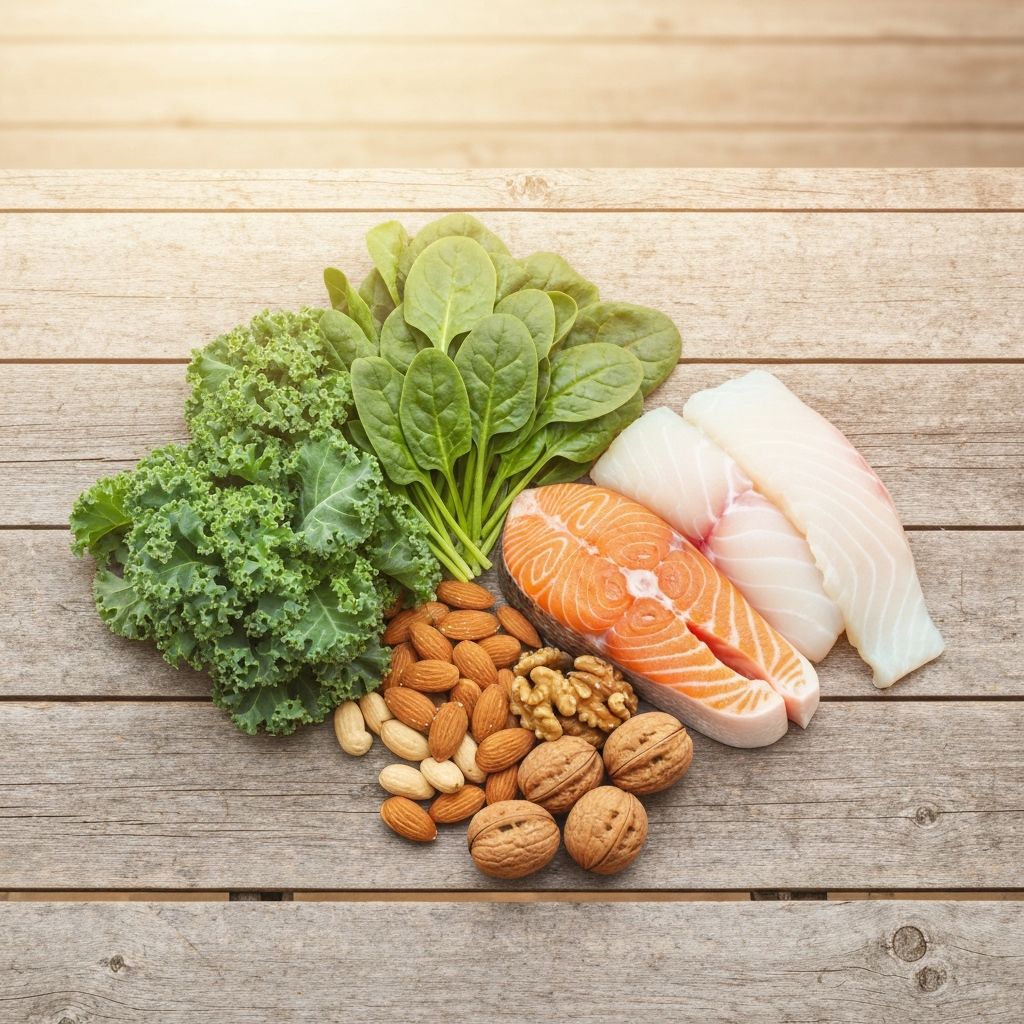
Bio-availability refers to the proportion of a nutrient that enters circulation and becomes available for physiological functions. Factors influencing bio-availability include chemical form, food matrix, and individual digestive capacity.
For example, iron from animal sources exhibits different absorption characteristics compared to plant-based iron. Vitamin C consumed alongside plant-based iron may enhance absorption through chemical interactions.
Fat-soluble vitamins including A, D, E, and K require dietary fat for optimal absorption. The complexity of nutrient interactions illustrates why whole food approaches are emphasized in nutritional science education.

This educational resource has explored various dimensions of botanical knowledge and nutritional science. We have examined plant taxonomy, extraction methods, traditional uses, and modern research perspectives.
The information presented spans multiple disciplines including ethnobotany, phytochemistry, nutritional biochemistry, and lifestyle research. Each section aimed to explain concepts rather than provide directives.
Understanding the complexity of natural systems, human biology, and individual variation underscores the importance of personalized approaches. This knowledge serves as foundation for informed discussions with appropriate professionals.

All content on this website is provided solely for educational and informational purposes. The information presented does not constitute professional advice, recommendations, or guidance of any kind.
The material presented here describes general concepts and research findings. It does not address individual circumstances, needs, or conditions. Every person has unique characteristics that require personalized consideration.
Nutritional science and botanical knowledge encompass diverse perspectives and ongoing research. What we present represents educational overview, not comprehensive assessment of all available information or viewpoints.
Decisions regarding nutrition, lifestyle modifications, or use of botanical substances should involve consultation with qualified professionals who can evaluate individual circumstances and provide personalized guidance.
This resource makes no claims, promises, or guarantees regarding outcomes, results, or effects. Individual experiences vary significantly based on numerous factors.
Continue your educational journey by exploring additional topics and contexts related to botanical extracts and nutritional science.
Learn About This Resource